Jul 31, 2022

Causes Of Chronic Wounds

Chronic or non-healing wounds can be extremely painful for the patients. Simply, a chronic wound is an open, deep wound that doesn’t heal properly within months and can cause serious complications such as infection or amputation, etc. thereby these wounds require advanced medical care & attention by wound care experts. 

Any acute wound can become a chronic wound if they don’t heal or become infected. So, all chronic wounds begin as an acute wound but when the wound doesn’t show any signs of recovery through a predictable rate of healing, it becomes a chronic wound. Generally, chronic wounds take more than four months to heal after initially being treated but if the healing process gets more delayed by four weeks, it is a case of a serious chronic wound. 

In this article, we will know what causes a chronic wound and what to do when any complications arise:

What Causes Chronic Wounds? (Etiology of Chronic Wounds)

Chronic wounds can occur due to several reasons. The most common reasons behind the development of chronic wounds include bacterial invasion, lack of blood supply, infection, or inappropriate treatment. 


Other causes of chronic wounds are here as follows:

  • Surgical wounds that reopened during surgery.
  • Pressure ulcers are when the skin breaks down due to the constant pressure on a specific part of the body, especially on the bony areas.
  • Poor blood supply due to arterial or venous insufficiency when an injury occurs on the legs requires venous leg ulcer treatment.
  • Loss of circulation or sensitivity in diabetic patients due to diabetic ulcer. 
  • Bacterial infections
  • Lack of nutrient-rich diet.
  • Any underlying chronic diseases 
  • Chemotherapy or radiation 
  • Smoking habits
  • Heavyweight etc.


What Are The Risk Factors For Chronic Wounds?

As mentioned above, if any person experiences an acute wound, he/she has a possibility of developing a chronic wound. However, there are certain conditions a person has, that could lead to the formation of non-healing wounds. Here they are as follows:

  • Diabetes
  • Severe burns 
  • Suffering from cancer
  • Chronic medical conditions
  • Vascular disease
  • Hypertension
  • Heart or lung disease
  • Anemia
  • Old age or immobility issues
  • Previous history of ulcer
  • Multiple surgeries 
  • Weakened immune system etc.

If a person is experiencing any of these conditions, he/she should immediately book an appointment with bedside wound care so that preventive measures can be taken to reduce the chances of developing a chronic wound.

How Does An Acute Wound Convert Into A Chronic Wound?

To understand how an acute wound becomes chronic, it is important to be aware of the normal wound healing process. When an injury occurs on any part of our body, it goes through a four-stage healing process starting with hemostasis - the initial wound healing phase where the process of blood clotting takes place to stop the bleeding. It is the first step of our body’s natural defense system to get control of the bleeding. Although there are a few conditions that might affect this phase such as diabetes, it is advised to discuss with your doctor diabetic ulcer treatment if you have diabetes or other chronic conditions. 

The next stage is inflammation where a type of white blood cell ie. neutrophils enters the wound site to protect the wound from bacteria and remove debris. This is the wound stage that makes a difference between an acute & chronic wound. Acute wounds progress through hemostasis, inflammation, proliferation, and remodeling without any disruption but in the case of chronic wounds, the inflammation stage is disrupted and affects our body’s natural defense system. 

How To Heal Chronic Wounds?

  • Under the supervision & expertise of bedside specialist care, the patients should:
  • Wash hands
  • Keep dressing clean
  • Take a nutrient-rich diet
  • Quit smoking
  • Lose weight etc.


Apr 11, 2022

Advantages Of Visiting A Wound Care Specialist

Though the medical industry is evolving, several advancements are on their way to benefit the patients as well as the healthcare industry, some severe medical conditions don’t comply with traditional medical treatments. 

A study conducted by the National Institutes of Health in 2017 highlights that over 7 million Americans suffered from chronic, non-healing wounds, and this number is expected to rise. In addition to this, the associated medical issues that increase the complications include diabetes (typically type 2), cardiovascular diseases, weight gain or old age, etc. 

These types of wounds require advanced medical care & attention. But what are these wounds? 

Chronic, non-healing wounds are those that don’t heal within two weeks or have not healed within six weeks with traditional medical practices. They are painful and not treating on time can lead to extreme underlying complications. In this case, wound care treatment California is required to decrease the chances and heal the wound effectively. 

Understanding Wound Care Specialists

Wounds specialists are a professional team of trained, and experienced physicians, nurses & doctors. They visit a patient's location, examine the current wound condition, determine the causes of slow healing, and generate an effective, & customized treatment plan to promote healing and prevent complications like recurrence, signs of infection, etc. 

Sometimes acute and chronic wounds are understood to be the same, but they are slightly different. Acute wounds include wounds that occurred during a surgical procedure, animal bites, and burns. While, on the other hand, chronic wounds include pressure sores and diabetic ulcers. 


Types of Wound Specialists 

The team of professional wound care specialists uses a multidisciplinary approach to treatment to enhance the speed of wound care recovery. It includes nurses, physicians, and physical therapists well-trained in their specialized fields. They are capable of providing expert and specialized assistance in different types of chronic wounds such as venous ulcer specialists, Wound Vac Treatment, diabetic ulcers, gangrene, infected wounds, traumatic wounds or burns, etc. 

  • Nurses - They are specially trained professionals in wound care who closely examine the wound and determine the type of treatment depending on the symptoms. It can be temporary or permanent. They clean, treat the wounds and apply to dress accordingly. But simultaneously, it includes educating the patients and caregivers about wound care. They observe any occurrence of infection and reduce the need for multiple visits to hospitals. 
  • Physicians - They monitor, study, and diagnose the injury to promote and restore health. It has different types depending on the origin, location, and extent of the wound. 
  • Physical Therapists - They provide special medical care to the patients who require more intense therapy such as g tube replacement service, compression therapy, etc.

Why Seek Help From Wound Care Specialists?

When a patient is suffering from a type of chronic wound, he/she must avail of the services of a wound care specialist. These wounds take a longer time to heal after efficiently providing conventional medical care including cleaning, treating, and dressing. Booking bedside wound care services will bring the following benefits to the patients:

  • No need to go to the hospitals or healthcare centers multiple times. The team of professional medical practitioners will visit the patient’s location, and determine the best treatment plan after examining the wound.
  • They evaluate the fact whether the wound is capable of healing naturally or requires special therapies.
  • They keep an eye on the most latest medical technologies and get their hands on the most effective treatments for specific wounds.
  • A multidisciplinary approach to treatment helps wound care treatment California to bring various options to improve the wound healing process. 

Scheduling an appointment with bedside wound care services is a great idea to cut off the extra expenses arising from regular visits to the hospitals. They always come with the best possible treatment plan for patients.

Mar 29, 2022

When To See A Wound Care Specialist?

When you have a wound that doesn’t heal or take a significant amount of time to get healed, it can have a tremendous impact on a patient’s life. Thereby, it is essential to know which types of wounds can be treated at home & which ones require special medical care & treatment. In this blog, we are exploring when you should see a wound care specialist?


Wounds can be defined as a scrape or crack of the skin, leaving underlying tissues exposed to foreign intruders. Everyone gets a wound or injury at any point in life, and some of these wounds are minor while some are severe. Minor wounds heal on their own easily, followed by additional care to avoid infections. But larger or deeper wounds that involve severe damage to tendons, muscles, nerves, blood vessels, and bones, etc. are complex to heal and require more healing time. It depends on the capability of the body's immune system to start the natural repair process. 

Because of the associated risks of not treating a wound on time, it is important to know about the wounds that can be treated at home & under professional medical assistance of Wound Care in Riverside. 


Wounds To Be Treated At Home


Minor cuts, scrapes, punctures, abrasions & all other types of open wounds that are not too much deeper than a quarter-inch can be treated with basic wound care treatment at home. 

The care & treatment include:

  • Cleaning & washing the wound site with warm water & mild soap. Remove any visible debris like dirt etc. Apply pressure to stop bleeding.
  • Apply an appropriate bandage or a thin layer of antibiotic ointment. 
  • Follow regular care. Change the dressing & apply ointment after every cleaning. 

Wound That Need Additional Care


There are certain types of wounds that require additional medical care & attention under the supervision of Bedside Care Specialist USA. Here they are as follows:

Infected Wounds

Sometimes minor wounds can lead to an infection if not treated properly or on time. They require additional care. Symptoms of these types of infected wounds include:

  • Excessive Wound Pain & Swelling - A degree of pain & swelling is normal in the process of wound healing but extreme is not good. It should be temporary and curable with traditional pain relief methods such as ibuprofen. But if the pain is unbearable or swelling continues to develop, it is time to see a wound care specialist.
  • Wounds with Foul Odor & Drainage - Redness is normal in the early stage of healing but if a wound continues to release a bad odor with a significant amount of exudate, it is a matter of concern. Wounds that are accompanied by a strong foul smell & pus releasing, could be a sign of infection and requires immediate medical care.
  • Warmth Around The Wound Or Increased Body Temperature - The patients may notice warmth around the wound site or they could suffer from high fever & body pain. 
  • Poor Healing - Minor wounds heal quickly with traditional methods of treatment but if a wound has not healed within a significant amount of time, it requires additional medical care.

Chronic Wounds


Chronic wounds are those that don’t follow the normal stages of healing and take almost 2-3 months to properly heal. These non-healing wounds are prone to develop an infection in the bone or bloodstream, which can further lead to many other severe complications including amputation.

These chronic wounds include:

  • Venous ulcer
  • Pressure ulcer
  • Diabetic foot ulcer
  • Traumatic wounds
  • Surgical wounds
  • Burns & scalds 
  • Infected wounds etc.

People with the following conditions are at more risk of developing chronic wounds:


  • Diabetes
  • Poor blood circulation 
  • Vascular diseases
  • Weakened immune system
  • Incontinence
  • Obesity 
  • Nerve damage
  • Congestive heart failure etc.

These types of wounds require additional wound care & treatment by Wound Care Experts. It is important to treat the wounds on time with their underlying conditions otherwise the complications can be life-threatening. The team at wound care specialist Los Angeles visits patients’ locations to examine & evaluate the wound appropriately. They could ask for a patient's past medical history and conduct some physical tests to determine the treatment including debridement, medicines, dressings and support services, etc.

Feb 4, 2022

A Summary On Infected Wounds — Symptoms, Treatment And Prevention

What Are Infected Wounds?     

Any infection in a wound occurs when germs, such as bacteria, enter a break in the skin and start growing within the damaged skin of a wound. The infection may occur in the skin or can affect surrounding tissues or organs close to the wound area. The minor infection in the wound can be treated at home but if the person has a more severe or persistent wound infection must seek the services of Wound Care Surgeons.  Here, in this blog, we are explaining the ways to prevent, treat, and recognize an infected wound. Keep reading to know more.

How To Recognize An Infected Wound? 

Wounds can become infected when harmful bacteria attack in the break in the skin and slows the healing process. It causes the risks of scars and in some cases, the infection can further spread in the other parts of the body.

Here are a few symptoms of wound infection:

1. Redness and warmth around the wound.

2. Pain, Swelling, or redness near an affected area

3. Yellow or green discharge from the wound

4. Bad odor from pus

5. Feeling fever and cold

6. Pains, vomiting, nausea, etc.

Causes of Infected Wounds 

Generally, open wounds are more prone to develop infections as the breakage in the skin invites germs to enter into the skin causing slow healing. Other causes include:

1. A person with diabetes type 1 and 2

2. The cause of the wound is an injury from a contaminated object

3. Animal bite

4. Not taking proper care

5. A person with heavyweight or old age


How To Treat Infected Wounds At Home? 

Persons with minor infections can take antibiotics to treat infection and stop further spreading. However, for more severe wound infections, proper medical attention of Infected Wounds Care Specialists is required especially for those with the symptoms such as fever, dizziness, or discharge coming out of the wounds.

You need to follow a few steps to treat infected wounds at home:

1.Your equipment should be cleaned before using it. And if you are using tweezers, make sure to clean them with rubbing alcohol first.

2. Wash your hands with soap and warm water thoroughly. Rinse and dry them.

3. Clean the wound by running warm water over it for several minutes. You can use warm, soapy water but avoid direct use of soap on the wound.

4. Remove debris or any dirt by using either tweezers or gently rubbing the wound with a soft cloth.

5. Apply antiseptic or petroleum jelly to the wound.

6. Dry skin properly before covering it with a bandage.

Pro Tips: 

1. Wound dressing should be changed at least once a day.

2. Wash the wound each day but avoid using hydrogen peroxide or iodine on the wound.

3. If the wound does not heal within 1-2 days, see infected wound care experts.

When To See A Doctor? 

1. A person with an infected wound needs to see the doctor if:

2. Any symptoms of infection including fever, pain, redness, or drainage from wounds.

3. The wound is large and deep.

4. Complexity in removing foreign material from the wound.

5. If it is a bite or an injury from a contaminated object.

How To Prevent Wound Infection? 

Proper cleaning and protecting the wounds can reduce the risks of infection.

1. Wash the wound immediately and clean the skin around the wound.

2. Dry the skin

3. Apply an antiseptic

4. Protect the wound with a suitable dressing

Bottom Line 

A wound infection occurs due to bacteria in the affected area and immediately taking proper care including cleaning, and dressing is the best way to prevent infection but for more severe wound infections, you must consult with Bedside Infected Wound Care.

Dec 13, 2021

A Small Guide On Wound Care First Aid — How To Treat Burns Or Bleeding Cuts?

What is a wound? A wound is damage or injuries that break the skin or other body tissues. It can be minor cuts, scrapes, scratches, and punctured skin but how would you take care when you get your finger cut while cutting vegetables or a spider bite or stovetop burn or anything else? We cannot ignore everyday injuries but handling them quickly or calmly can heal those wounds effectively. This is when the first aid takes place and ensures proper care and treatment.

Why Is First Aid Necessary?

Healthy and intact skin is a natural barrier to germs but when it gets broken due to any injury, it becomes a treat for germs to enter our bodies. Applying proper and appropriate first aid to a wound can faster the process of healing and reduce the risks of infections.

To help you know and understand how to take care of broken skin at home, we have come up with the essential wound care first aid tips. They help speed up healing and avoid infections. Let’s have a look:


1.Don’t Worry About Slight Bleeding — The very first step towards aiding any wound is to get control over bleeding but small or slight bleeding can be helpful to clean out the wound. Most small cuts and scrapes can bleed quickly and applying pressure with a clean tissue or sterilized piece of gauze to the site can help remove the unwanted material soon. If the blood soaks through, keep applying pressure until the bleeding stops.

2.Wash Your Hands First — Before cleaning or dressing the wound, you need to ensure that your hands are clean to prevent contamination and infection of the wound.

Read more: https://woundcaresurgeon.medium.com/a-small-guide-on-wound-care-first-aid-how-to-treat-burns-or-bleeding-cuts-d90a2602e67c

Gangrene: Symptoms, Causes, And Treatment

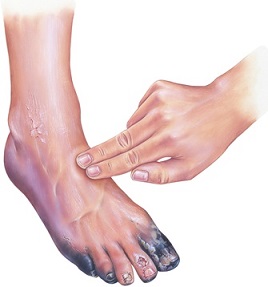
Gangrene occurs when the tissues in your body die after a loss of blood caused by any type of illness, injury, or infection. In other words, it often occurs when the tissues are not getting sufficient blood from your circulatory system and it causes tissues to die in some part of our body, often the hands or feet. It generally affects the areas farthest from your heart such as toes or fingers but it can also affect other parts of the body including internal organs. There are different types of gangrene and all of them require a Gangrene Dressing Specialist for effective and safe healing.

The patients are at higher risk of developing gangrene who have an underlying condition such as diabetes or hardened arteries that can damage your blood vessels. It generally develops in specific body parts such as a leg, hand, or internal organ but it can spread through your body and can cause you to get in shock if not treated well.


Symptoms of Gangrene

There are two main types of gangrene which are known as Dry and Wet gangrene.

Dry Gangrene: Also known as mummification, dry gangrene usually starts with a red line around the affected area. The area turns dry and black.

Symptoms of Dry Gangrene Include:

● Wrinkled skin that changes from blue to black and eventually comes off.

● An isolated area of your body feels ie. Cold skin

● Wound filled with pus or releasing a bad odor.

● Numb skin

● Pain

● Sores can occur repeatedly in the same place of the body

Wet Gangrene — It is also a possibility to experience wet gangrene that affects your inner tissues or organs. In this case, you may not notice any symptoms on your skin or limbs, however, you feel pain, or fever for a long time, or low blood pressure.

Read more: https://woundcaresurgeon.medium.com/gangrene-symptoms-causes-and-treatment-6e953d933b31

All You Need To Know About Atypical Wounds

The different types of chronic wounds, for example, arterial, venous, pressure, neuropathic, surgical, or burn are diagnosed and treated as per the prescribed principles of treatment and techniques. But if the patient is suffering from a wound with a different appearance or does not heal quicker with the conventional standard medical care, Atypical wound care first try to determine the factors causing restrain healing or consider a different approach of diagnosis and treatment.

Atypical wounds are those that cannot be defined under one of the primary chronic wound healing categories. An untreated disease that may not heal with regular treatment can cause an atypical wound. The etiology for the atypical wounds should be considered when the location of the wound seems uncommon to occur a common chronic wound. The appearance may not look like a typical common chronic wound and the wound does not respond to conventional therapy. Some of the main causes of atypical wounds include leprosy which is now becoming a common cause in most countries.


Key Takeaways (Characteristics Of Atypical Wounds):

●The location of the wound may vary from that of a common chronic wound.

●The wound does not get properly treated with standard medical treatment

●The clinical appearance of the wounds is different from that of a common or chronic wound.


Read more: https://woundcaresurgeon.medium.com/all-you-need-to-know-about-atypical-wounds-5b8f82532de7

Find me online - Recently Posted Quality Profiles and Blogs For Wound Care Surgeons

Wound Care Surgeons is a private wound care center delivering advanced wound care & Feeding tube services at the bedside of patients in ...